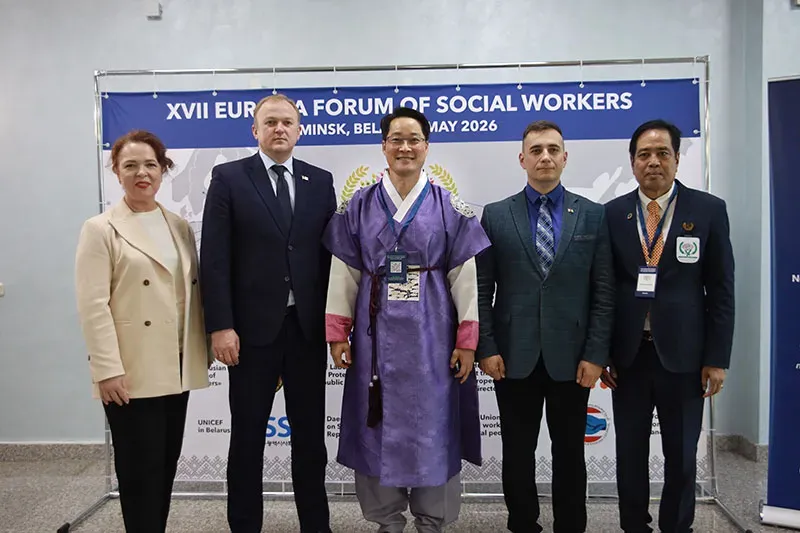
A lecturer from BSMU presented a report about the original method of functional diagnostics in cardiology at a conference in Nizhny Novgorod
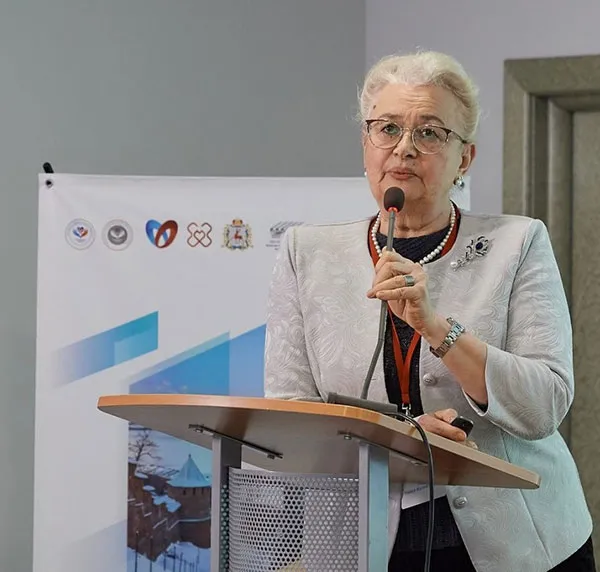
Associate Professor of the Department of Polyclinic Therapy of Belarusian State Medical University, Candidate of Medical Sciences, Raisa Khursa took part in the VIII All-Russian Scientific and Practical Conference with international participation of the Russian Society of Cardiology “Nizhny Novgorod Winter”, Cardiological Forum “Practical Cardiology: Achievements and Prospects”.
This event took place on 2-3 February in Nizhny Novgorod (Russian Federation). Its organizers were the Russian Cardiological Society and its regional branches of Nizhny Novgorod, the Russian Scientific Medical Society of Therapists, the Union of Pediatricians of Russia, the Association of Pediatric Cardiologists of Russia, the Volga Research Medical University of the Ministry of Health of Russia, the Institute of Therapy of the Volga Research Medical University, the Ministry of Health of the Nizhny Novgorod Region, Moscow Scientific and Practical Center for Medical Rehabilitation, Rehabilitation and Sports Medicine of the Moscow Department of Health, as well as a number of health care institutions in Nizhny Novgorod, the Association of Doctors of the Volga Federal District.
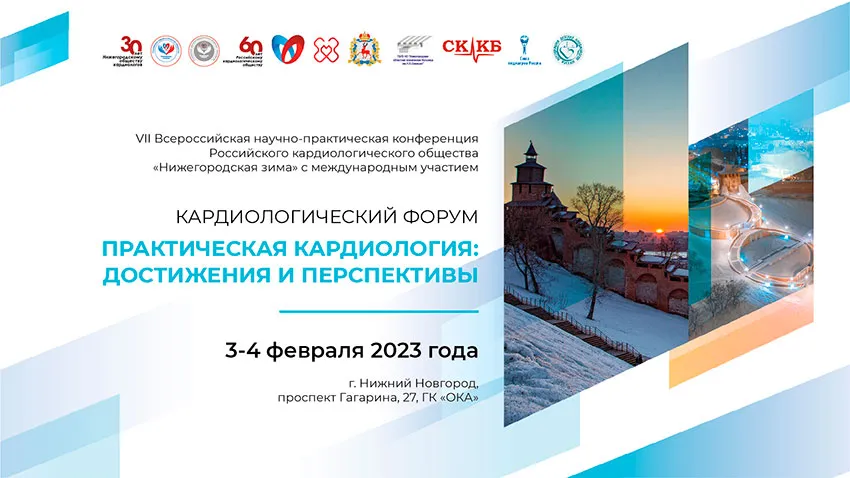
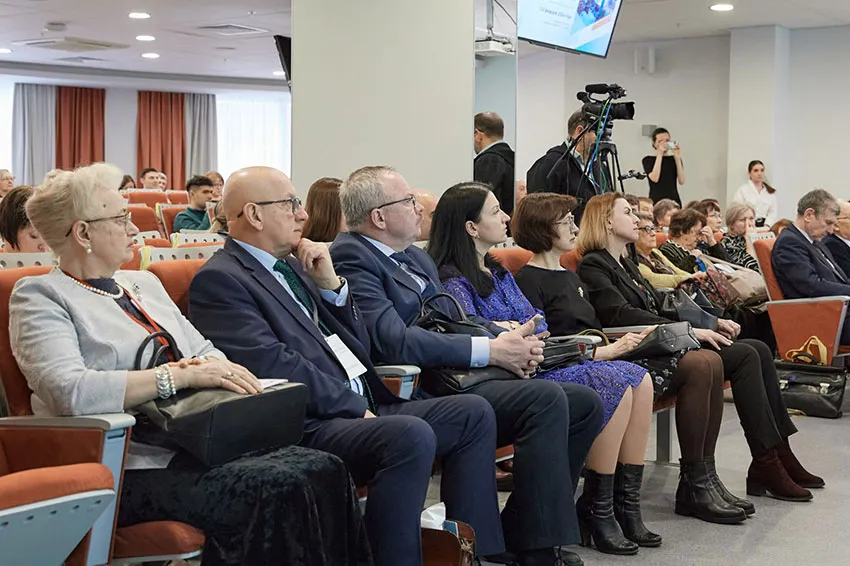
The conference brought together cardiologists, therapists, general practitioners, endovascular surgeons, pediatricians, and other interested specialists. They considered current aspects of cardiology: epidemiology and prevention of cardiovascular diseases, new medical technologies and approaches in cardiology, emergency conditions (acute coronary syndrome, pulmonary embolism, life-threatening arrhythmias), chronic heart failure, arterial hypertension, autonomic dysfunctions, interventional cardiology and high-tech medical care, pediatric cardiology and cardiac surgery, rehabilitation of cardiac patients, improvement of the organization of cardiological services and the interaction of cardiologists with doctors of other specialties.
The welcoming speech to the delegates were addressed by rector of the Research Medical University of Volga Region, Doctor of Medical Sciences, Professor Nikolai Karyakin, Secretary General of the Russian Society of Cardiology, Scientific Secretary of the Federal State Budgetary Institution "National Medical Research Center named after V. A. Almazov" of the Ministry of Health of Russia, Doctor of Medical Sciences, Professor Alexander Nedoshivin (St. Petersburg), Chairman of the Nizhny Novgorod regional branch of the Russian Cardiological Society, member of the Board of the Russian Cardiological Society, member of the Central Council of the Russian Scientific Medical Society of Therapists, first deputy director of the Institute of Therapy of the Volga Research Medical University, professor of the Department of Hospital Therapy and General Medical Practice named after V. G. Vogralik of Volga Research Medical University, Doctor of Medical Sciences Natalya Borovkova and other famous cardiologists. The plenary session was opened by the report “Heart failure 2024: challenges and solutions” made by the President of the Russian Society of Cardiology, Director of the Federal State Budgetary Institution "National Medical Research Center named after V. A. Almazov", chief freelance cardiologist of the Ministry of Health of Russia, Academician of the Russian Academy of Sciences, Doctor of Medical Sciences, Professor Evgeniy Shlyakhto (St. Petersburg). One of his main messages was the need for an individualized, thoughtful approach to each patient, since the transition to personalized medicine lies ahead.
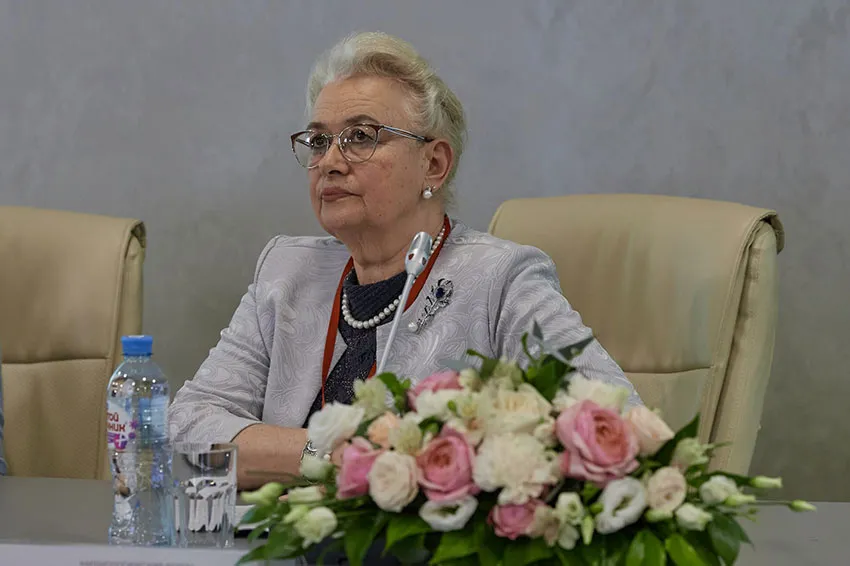
Professor Ilham Murkamilov (Bishkek, Kyrgyzstan) analyzed an interesting clinical case (a patient with kidney damage due to arterial hypertension). Professor Anna Kontsevaya (Moscow) introduced the latest epidemiological data from the all-Russian study ESSE-RF-3 and the possibilities of using them to improve public health.
Chief Cardiologist of the Ministry of Health of the Nizhny Novgorod Region Elena Timoschenko (Nizhny Novgorod) highlighted the implementation of the current stage of improving cardiac care for patients in this region.
Associate Professor of the Department of Polyclinic Therapy of BSMU Raisa Khursa introduced her colleagues to the original method of functional diagnostics in cardiology, based on a quantitative analysis of the relationships between blood pressure parameters (CASPAD) in an individual series of their values. The method makes it possible to identify individual regulatory features of blood circulation in the form of hemodynamic phenotypes, reflecting the participation of the efforts of the heart and the peripheral component (arterial elasticity, muscle “pumps”) in the process of blood circulation. Taking these features into account makes it possible to identify among normotensive people (“practically healthy”) those who need targeted additional examination and medical supervision (these are people with dysfunctional phenotypes), and in patients with arterial hypertension to individualize approaches to treatment, and not only in terms of lowering blood pressure, but also improving their quality of life.
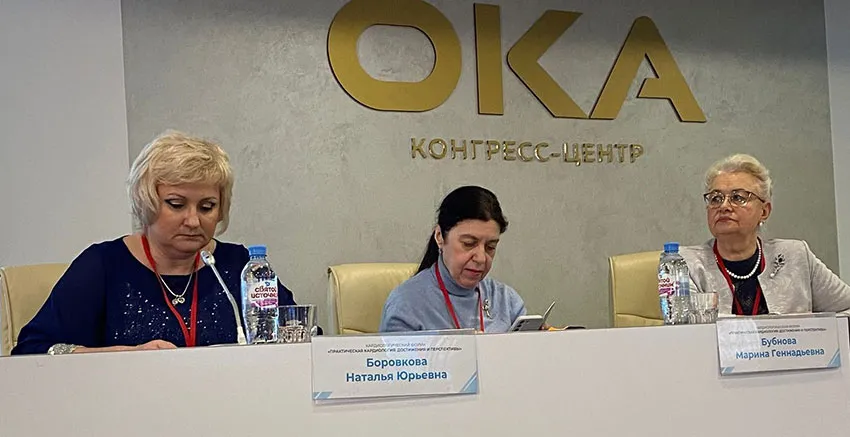
This scientific report aroused a keen interest among the listeners (especially considering the fact that devices for daily blood pressure monitoring are produced in Nizhny Novgorod, which allow obtaining the necessary parameters for CASPADS). The communication with the lecturer of Belarusian State Medical University continued on the sidelines of the conference, where those interested received additional information about the presented method and exchanged contacts for the purpose of scientific cooperation.
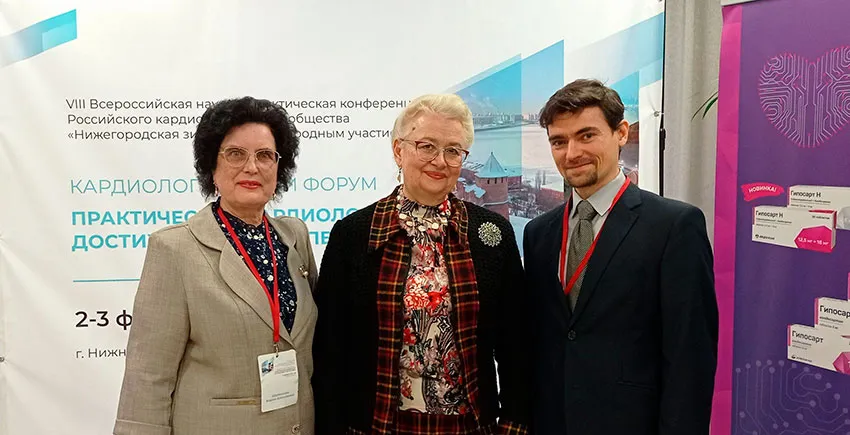
Authors: Department of Outpatient Therapy of BSMU
Photos: Raisa Khursa, Associate Professor of the Department of Polyclinic Therapy of BSMU
Translation: Diana Petrushkevich-Hourou
BSMU students took part in the International Student School of Disaster Medicine
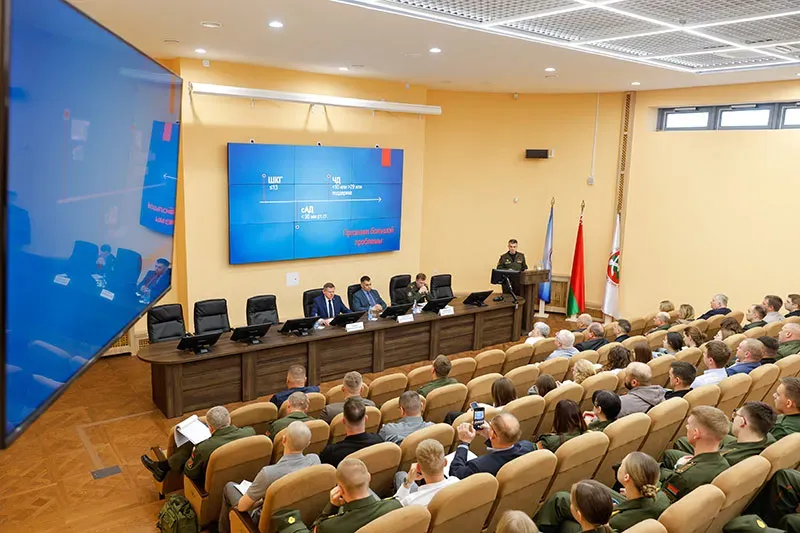
Republican scientific and practical conference with international participation "Current issues of military medicine"
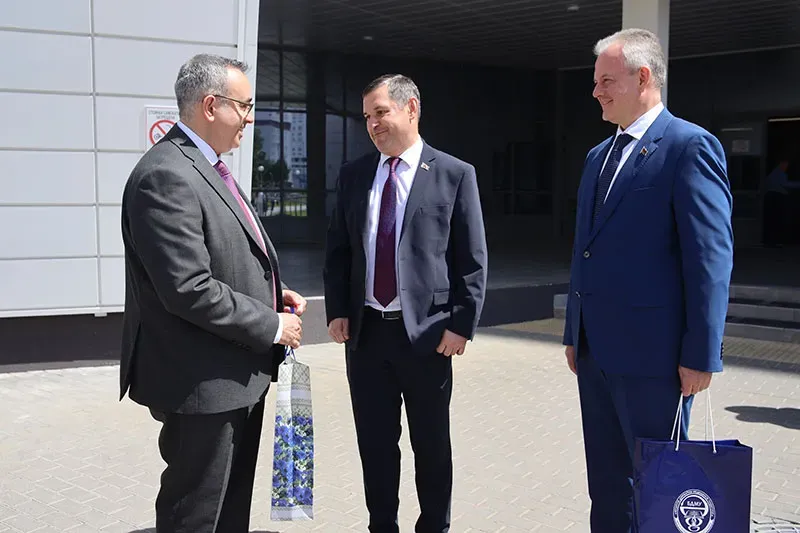
High level of cooperation: BSMU received an honorary delegation from Azerbaijan
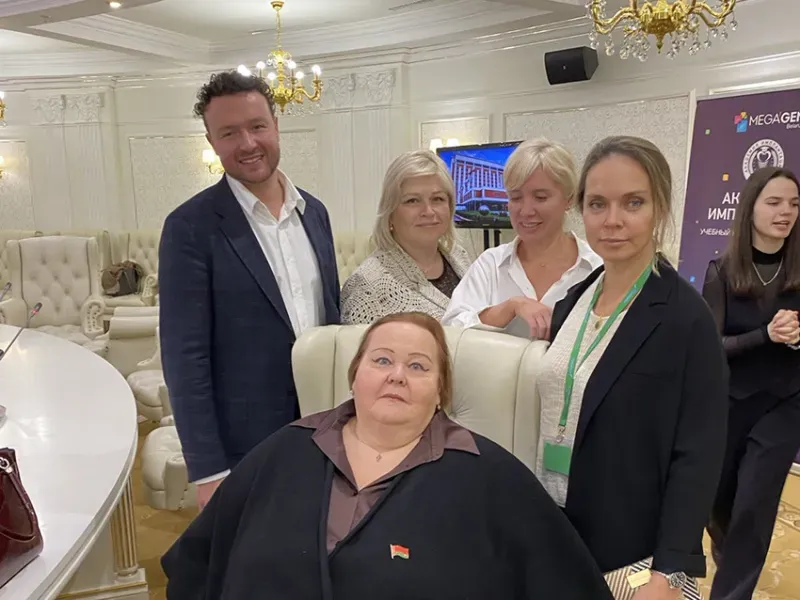
Xth National Congress with International Participation "Parinsky Readings 2026"