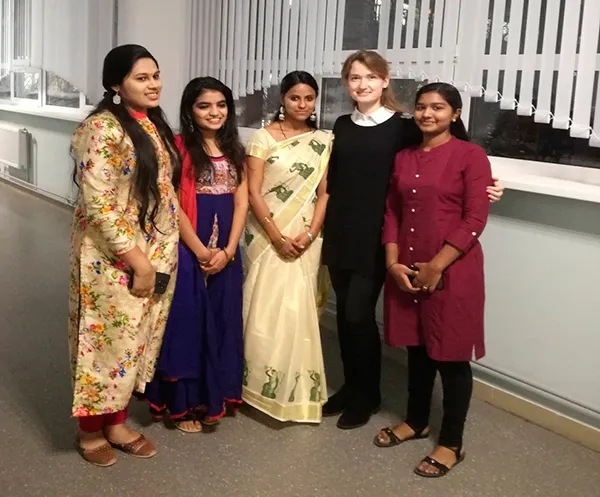
The purpose of educational and ideological work at the department is the formation of a versatile, morally mature, creative personality of the student.
The tasks of educational and ideological work at the department:
- the formation of citizenship, patriotism and national identity based on state ideology;
- preparation for independent life and work;
- the formation of moral, aesthetic and environmental culture; life safety culture;
- mastering knowledge, values and skills of a healthy lifestyle;
- the formation of a culture of family relations;
- creation of conditions for the actualization of entrepreneurship, initiative, successful self-development and self-realization of the individual.
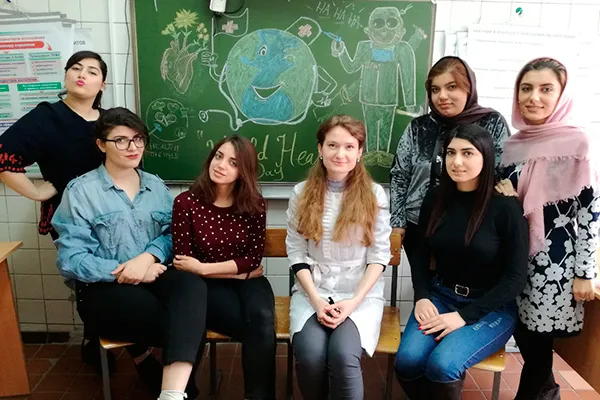
Ideological work at the department is carried out in accordance with the Code of the Republic of Belarus on Education, the Concept of continuous upbringing of children and students under the leadership of the department of educational work with youth, the dean's office of the Faculty of Dentistry in cooperation with the sector of social and psychological work of the university. This work is aimed at training highly qualified, comprehensively developed specialists, shaping their civic and patriotic qualities, universal values, assimilating the ideology of the Belarusian state, cultural and spiritual traditions of the Belarusian people, developing a socially mature and creative personality.
Ideological work is carried out within the framework of lecturing, in practical classes, after school hours, when visiting hostels by conducting information and educational hours, round tables, conversations, and thematic evenings.
Ideological education and civil-patriotic education
Ideological education is implemented in the context of the ideology of the Belarusian state, where state sovereignty, national interest, national security, social justice, economic well-being, and the development of civil society occupy a special place. Ideological education is aimed at the formation of value orientations, models of personality behavior in society.
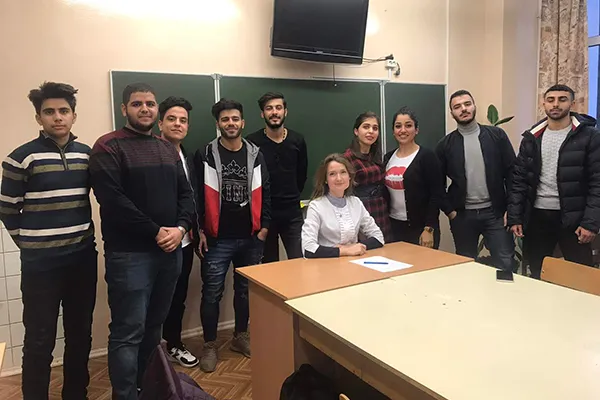
Spiritual and moral education, family and gender education
Spiritual and moral education is aimed at the formation of a moral culture of the individual and involves familiarizing students with humanistic universal and national values.
Family education involves the formation of a culture of relationships, a value attitude towards the institution of marriage and family, ideas about the most important aspects of the life of a modern family (everyday life, distribution of finances, work and rest, birth and upbringing of children, regulatory and legal foundations of marriage and family relations, etc. ); ideas about responsible marriage and parenting, the culture of family relationships.
Labor and vocational education, environmental and economic education
Labor education is aimed at the formation of a value attitude to work, the social significance of professional activity; development of the qualities of hard work, responsibility, independence, competitiveness, initiative, enterprise, striving to achieve better results.
Environmental education is aimed at the formation of an individual's ecological culture, is determined by the universal meaning of nature for man and society and includes knowledge about the components and their interrelationships in the “man-society-nature” system, as well as the moral and aesthetic attitude to nature.
Economic education is aimed at the formation of the economic culture of the individual, the development of such socially demanded personal qualities as initiative, enterprise, independence, responsibility, self-confidence, striving for achievement and full self-realization.
Fostering a culture of a healthy lifestyle and life safety
The upbringing of a culture of life safety is aimed at mastering by students the rules of safe behavior in society, at work and in everyday life, includes the formation of norms and rules of behavior in the social and natural environment.
Education of a culture of everyday life, aesthetic education
The culture of everyday life is a combination of knowledge, skills and abilities, needs and interests that allow you to aesthetically, comfortably and conveniently organize your daily life; to rationally manage the household, plan the family budget, fulfill and distribute daily household duties, be aware of their need for successful life and personal development.
Aesthetic education involves the development of aesthetic culture - an element of the culture of mankind, contributing to the transformation of the highest aesthetic values (beauty, perfection, harmony, creativity, creativity) into the subjective needs of the student's personality.
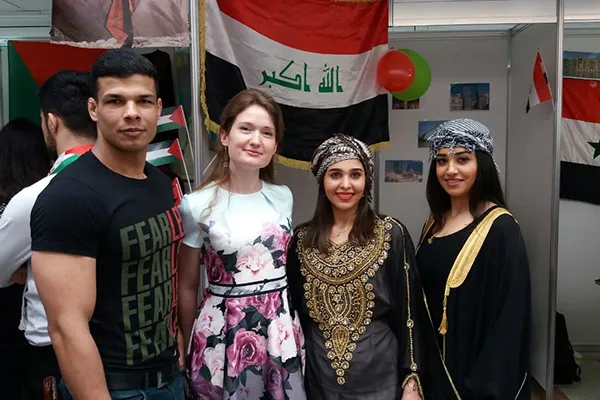
Multicultural education
Multicultural education is aimed at developing students' ability to live in a multicultural world, to resist political and religious extremism, to develop the foundations of intercultural communication among students from different countries.