
Nikolay Vasilievich Kolpikov
In August 1928, the Department of Pathophysiology was headed by Doctor of Medical Sciences, Professor Nikolai Vasilievich Kolpikov (1888-1964), who was actively participating in recruiting of scientific and teaching personnel as well as opening of postgraduate studies. N.V. Kolpikov and his collaborators studied the infectious process in ontogenesis.
From 1932 to 1934 and in 1939, there was no permanent leader at the Department of Pathophysiology of the Minsk Medical Institute. Lectures were delivered by professors Khalatov S.S., Fedorov N.A., Neiman I.M.
Fedor Andreevich Andreev
In 1934, Professor Fedor Andreevich Andreev was elected the head of the department. F. Andreev significantly intensified the research work of the department, interested and attracted its employees and clinicians to research. It was during these years, at his suggestion, that the method of intra-arterial blood injection was developed and tested, which subsequently received worldwide recognition and for many years was widely used in clinics around the world for revitalizing the body, combating severe forms of shock, in white asphyxia of newborns, etc. Subsequently, in 1939, the surgeon I.A. Birillo was the first in the world to use the method of intraarterial blood transfusion to save the lives of the wounded at the front. Fedor Andreevich Andreev headed the department until 1939. Was repressed.
Leonid Fedorovich Larionov
In 1940, the department was headed by Professor Leonid Fedorovich Larionov (1902-1973), who dealt with issues of oncology. For the introduction into public health practice of chemotherapeutic drugs for the treatment of diseases of the neoplastic nature of the hematopoietic system L.F. Larionov was awarded the Stalin Prize in 1951. During the Great Patriotic War, the need for medical personnel sharply increased. By the decision of the Council of People's Commissars of the BSSR, from October 1, 1943, the Minsk Medical Institute resumed its work in Yaroslavl. The Department of Pathological Physiology was entrusted to its former pupil Fedor Alekseevich Yakhimovich (1888-1959). Doctor of Medical Sciences (1945), Professor (1946), Honored Scientist of the BSSR (1948) F.A. Yakhimovich with the staff of the department carried out scientific research in the field of physiology and pathology of the nervous system. Fedor Alekseevich devoted a lot of strength and energy to personnel training and work with students. He prepared 2 doctors and 9 candidates of medical sciences, published 26 original scientific works. For many years of active scientific, pedagogical and social activities, he was awarded the Order of Lenin, the Order of Honor, the medal “For Valiant Labor in the Great Patriotic War of 1941-1945”, the badge “Excellence in Health Care”.
Alexander Yulianovich Bronovitsky
From 1958 to the last days of his life - July 24, 1975, the department was headed by Alexander Yulianovich Bronovitsky (1914-1975) - Doctor of Medical Sciences, Professor, Corresponding Member of Academy of Sciences of the BSSR.
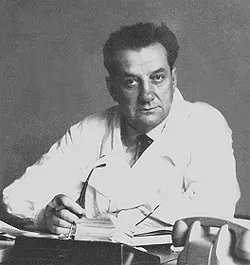
The arrival of A.Yu. Bronovitsky introduced a new live stream to the work of the department. All forms of its activity have become much more active. The plan and content of the lecture course was revised. New lectures began to be read, such as “The problem of the integrity of the organism and its role in pathology”, “Trace reactions and their role in pathology”, “The role and significance of nervous reception in conditions of norm and pathology”, “Therapeutic principles in medicine and their scientific basics ', etc.
A.Yu. Bronovitsky laid the foundation for cinematography of the educational process. For this purpose, a unique educational and scientific film was acquired, shot in the laboratory of P.K. Anokhin “The role of nervous and humoral factors in health and disease (observations on unseparated twins)”. The film was shown at the lecture 'The Problem of the Integrity of the Body' and vividly, clearly, convincingly, illustrated the decisive role of the nervous system in correlating the interaction of various organs and systems in a healthy and diseased organism.
With the arrival of A.Yu. Bronovitsky, the direction of scientific research of the department has changed. The main attention was paid to the study of the influence of morphogenetic factors of embryogenesis on the growth and development of malignant tumors. In 1967, a laboratory for the study of the biology of a tumor cell was opened at the department and began to work.
Inspired by the energy of the head, the relatively small team of the laboratory (9 people) worked literally day and night. The contribution of V.Yu.Peretyatko to this activity was especially important. It was she who was entrusted with the most difficult, laborious and responsible work on organizing the work of the tissue culture laboratory. At the same time in the laboratory of mechanisms of carcinogenesis of the USSR Academy of Medical Sciences V.Yu. Peretyatko masters the method of autoradiography.
The creation of the laboratory contributed not only to the development of scientific research of the department and the improvement of the educational process, but also to the work of the scientific student community. Methodological developments were prepared and conditions were created for two practical classes, in which students independently carried out inoculation of the tumor - Ehrlich's ascites carcinoma, and a week later had the opportunity to see the results of the experiment. The students were fascinated by the opportunity to familiarize themselves with one of the urgent problems of medicine - experimental studies of the patterns of development of malignant tumors and finding ways to provide a positive corrective effect on this process.
The results of A.Yu. Bronovitsky 17-year work as head of the Department of Pathological Physiology, MSMI are: the restructuring of the lecture course, the improvement of the workbook, the opening of a laboratory for the study of the patterns of tumor growth, the defense of 2 doctoral theses (Krivchik A.A., Leonova E.V.) and 4 candidate theses (Batay E.V., Afanasyeva T.N., Risin S.A., Datkov I.G.), the creation of the Minsk city (1961) and the Belarusian Republican (1966) society of pathophysiologists.
Krivchik Alexandra Alexandrovna
In September 1975 A.A. Krivchik became the head of the department.
Krivchik Aleksandra Aleksandrovna (1928-2007) Doctor of Medical Sciences, Professor, Honored Scientist of the BSSR. A.A. Krivchik kept the direction of scientific research of the department, created by A.Yu. Bronovitsky.
When studying the forms and mechanisms of pathological and compensatory reactions of the body, the emphasis was on the reactions of subcellular structures, the role of the genetic apparatus of cells in the course of the development of the disease.
In addition to the previously used objects of study (various forms of pathology of the cardiovascular system), acute and chronic diffuse liver lesions of various etiologies were being actively studied. Much attention was still paid to the laws of tumor growth, the search for optimal ways of correcting the state of two opposite tendencies of the disease - pathological and compensatory reactions - was carried out, taking into account the stage of the disease and the characteristics of various levels of integration of the organism at each of them. All this provided a fundamentally new scientific information.
Much attention was paid to improving the educational process.
The lecture course was revised again. For the first time such lectures as “Pathophysiological aspects of cerebral circulation disorders” (E.V. Leonova), “Pathophysiology of portal hypertension” (A.A. Krivchik), “Nervous trophism and neurogenic dystrophies” (A.A. Krivchik, F.I. Vismont), “Pathophysiology of injury” (S.A. Risin), “Pathophysiology of the intrauterine period” and “Pathophysiological aspects of aging” (E.V. Leonova), “Effect of ionizing radiation on the body” (I. V. Grinko), for students of the stomatological faculty - 'Pathology of the oral cavity and its role in disorders of vital functions of the organism' (F.I. Vismont) were delivered . The content of lectures on the pathophysiology of tumor growth was radically revised taking into account fundamentally new ideas about the nature of tumor transformation (A.A. Krivchik). To facilitate the assimilation of lecture material by students, a lecture library has been created. A student could listen to any of them in the methodological office of the department.
In order to expand the possibilities of cinematography of the educational process, not only a number of interesting meaningful films were acquired concerning microcirculation disorders, inflammation, the role of heredity in the development of the disease, pathology of the nervous system, but the department began to create its own educational and scientific films.
Since the end of the 70s, the development and use of thematic situational tasks, written programmed control, began to occupy a special place in the efforts of the department aimed at optimizing the educational process.
In 1995, to test the residual knowledge of students, a special lesson was introduced to solve complex situational problems, requiring the student to know the fundamental issues of general nosology, a number of typical pathological processes, and some of the most important topics of pathophysiology of organs and systems.
Since July 1, 1996, due to the age qualification and the expiration of the next term of credentials, A.A. Krivchik was transferred to the post of professor of the department. In October of the same year, F.I. Vismont was elected the head of the Department of Pathological Physiology by the Council of the Institute.
Frantisek Ivanovich Vismont
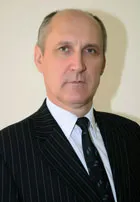
Frantisek Ivanovich Vismont (1950) Doctor of Medical Sciences, Professor, Corresponding Member of The National Academy of Sciences of Belarus came to the Department of Pathophysiology long (7 years) before his election as an already formed, mature scientist who had just successfully defended his doctoral thesis in the specialty 'normal physiology', an experienced teacher-physiologist. The initially planned one-year internship at a related department (as an option for advanced training) ended with his transfer to a new place of work. For 7 years, F.I. Vismont not only deeply mastered, but fell in love with pathophysiology, giving preference to it. Having become the head of the department, in the conditions of an extreme financial deficit at the institute, he achieved the provision of all educational rooms with television installations, new educational films, and acquired a modern computer. A new (fifth) training working room was equipped, new furniture was purchased.
Under the guidance of Professor F.I. Vismont all the methodological developments for students and teachers were radically revised, taking into account the methods of conducting practical classes that have changed over the past decade (replacing the traditionally practiced staging of experiments on animals by students in each lesson with the widespread use of watching educational and scientific films, a detailed analysis of ready-made protocols of experiments, registration of them in graphs, tables, diagrams and other illustrations, formulating conclusions, solving situational problems, conducting other forms of educational and research work). All this contributed to the further optimization of the educational process, the humanization of teaching, the education of students, and, accordingly, the improvement of the quality of training of doctors.
F.I. Vismont preserved and creatively developed the traditions and approaches to the organization of the educational process, the directions of scientific research at the department, which are now devoted to elucidating the role of endotoxinemia in physiology and pathology, in the occurrence of dysregulatory pathology, the study of the mechanisms of disturbance and maintenance of temperature homeostasis, thermal resistance of the pathogenesis of hyperthermia and febrile conditions.
Much attention was paid to F.I. Vismont devotes to the training of scientific and pedagogical personnel. The new generation of employees carefully preserves, successfully develops and multiplies the scientific heritage of their teachers, the ideas of humanism and boundless dedication to their work, makes their contribution to the development of medical science and training of medical personnel in the country.
Vigdorovich Berta Ilyinichna
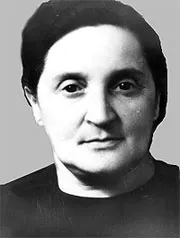
professor, d.m.s.
Graduated from the Moscow State Medical Institute (1931). Postgraduate student (1931-1935), assistant (1935-1940), associate professor (1940-1959), Department of Pathophysiology, Moscow State Medical Institute.
Ph.D. thesis: “Oxidative processes in various types of fever” (1934).
Author of 8 publications.
Participant of the Second World War (1941-1945). Head of the clinical diagnostic laboratory and chief medical officer of the evacuation hospital No. 3051 (1941-1943). Work in the liberated regions of the BSSR - deputy head at the Vitebsk Regional Healthcare Department and the head of the department of evacuation hospitals (1943-1945).
She was a deputy of the Vitebsk City Council, the Kaganovichi District Council of Minsk.
She was awarded 2 orders “Badge of Honor”, 2 medals, “Certificate of Honor of the Supreme Soviet of the BSSR”. For many years and for social activities she received a number of thanks from the director of the Moscow State Medical Institute.
She had been working as head of the department (1956-1958).
The staff of the department remembered her as an extremely hardworking, disinterested, selfless, benevolent and modest person, one of the first graduate students and dissertators of the department.
Savostenko Grigory Vasilievich

Associate Professor, Ph.D.
Graduated from the Medical Faculty of the Belarusian State University (1930). Postgraduate student (1930-1933), assistant (1933-1935), senior assistant (1935-1941), acting Associate Professor (1945), Associate Professor (1946-1970), Department of Pathophysiology, Moscow State Medical University.
Ph.D. thesis: “The pathogenesis of circulatory disorders in blood loss and the possibility of their recovery” (1941).
Author of 6 publications.
He worked as Deputy Dean, Dean, Deputy Director of the Institute for Academic Affairs.
Participant of the Second World War (1941-45). Sanitary platoon commander, senior doctor of the regiment, specialist doctor and head of the PAL of the 4th Ukrainian Front.
He was awarded the Order of the Patriotic War of the II degree, the Red Star, the Red Banner of Labor, 4 medals, 'Diploma of the Supreme Soviet of the BSSR', the badge 'Excellence in Public Health'. For many years of labor and social activity, he was awarded a number of thanks from the Minister of Health of the BSSR and the rector of the Moscow State Medical Institute.
Grigory Vasilyevich was a very sociable, cheerful, energetic and wise man, witty and humorist, he loved music, played the piano himself, in his younger years he was an organizer and participant in amateur performances, sang the part of Onegin. He had a phenomenal memory, could reproduce the “track record” of almost every student. His lectures and practical classes were distinguished by academicism, harmony and clarity of presentation. They were liked by students and young employees, graduate students who studied pedagogical skills with him. For many years being the dean and then the vice-rector of the institute for academic affairs, he left an indelible mark on the formation and development of not only the department, one of the first graduate students and dissertators of which he was, but the entire institute.
Rabinovich Evsey Lvovich
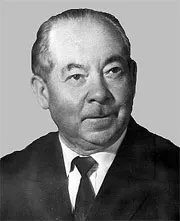
Associate Professor, Ph.D.
Graduated from the medical faculty of the Belarusian State University (1928). Medical work (1928-1933).
Postgraduate student (1933-1937), assistant (1937-1960), associate professor (1960-1969), Department of Pathophysiology, Moscow State Medical Institute.
PhD thesis: 'Characteristics of vascular reactions and mediation phenomena in patients with tuberculosis' (1956).
Author of 10 publications. Participant of the Great Patriotic War 1941-1945.
Awarded with 2 medals. For many years of impeccable work, he received a number of thanks from the rector of MSMI.
The distinctive traits of Yevsey Lvovich's character were exceptional benevolence, modesty, responsiveness, gentleness and tact in handling, adherence to principles, and a high sense of responsibility. Competing with Grigory Vasilyevich Savostenko in wit, they alternately defeated each other. For many years Evsey Lvovich performed the duties of an educational assistant professor of the department. He treated all his official duties extremely responsibly and conscientiously.
Gorbunov Petr Timofeevich
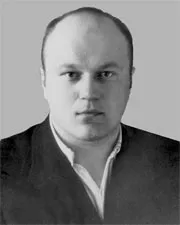
assistant, Ph.D.
PhD thesis: “The effect of heterotransfusion on cholinesterase activity and the sensitivity of choline and adrenergic receptor structures’ (1958).
Graduated from MGMI (1953). Postgraduate student (1953-1956), assistant (1956-1962), Department of Pathophysiology, Moscow State Medical University.
Senior Researcher, Bel Research Institute of Hematology and Blood Transfusion - transferred by order of the Minister of Health of the BSSR (since 1962).
Author of 5 publications.
Petr Timofeevich was remembered as a modest, balanced, friendly, laconic, hardworking and executive person. In his free hours, his greatest hobby was fishing. Too early, unfortunately, he passed away ...
Krivchik Alexandra Alexandrovna
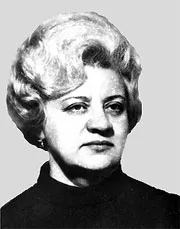
professor, d.m.s.
Graduated with honors from Moscow State Medical Institute (1954). Postgraduate student (1954-1957), assistant (1957-1966), associate professor (1966-1974), professor (1974-1975), head (1975-1996), professor (since 1996) of the pathophysiology department of the Moscow State Medical University.
PhD thesis: “Blood transfusion after acute blood loss in hypothermia” (1958).
Doctoral thesis: “The dynamics of the relationship of pathological and compensatory reactions of the body in some forms of portal hypertension” (1973).
Author of 220 publications, including 4 monographs: “Portal hypertension” (1979), “Pathophysiological aspects of tumor growth” (1987), collective monographs co-authored “Dynamics of the relationship of pathological and compensatory reactions of the body in some forms of circulatory disorders” (1974) , “Central mechanisms of neurohumoral regulation of functions in health and disease” (1985), atlas “Pathophysiology of tumor growth” (1997), a collective textbook in co-authorship “Pathological anatomy and physiology” (1997); popular science brochure “Death and revitalization of the body” (1987), 12 textbooks: “Methodological developments for practical training in the course of pathological physiology for students” (co-authored, 1982); “Pathophysiology of portal hypertension” (1987); “Pathological Physiology of the Blood System” (co-authored, 1988); Selected Sections of Clinical Pathophysiology (co-authored, 1989); The Dual Nature of Disease (1992); “Effect on the body of ionizing radiation” (1993); “Pathophysiology of extreme conditions: shock, collapse, coma” (1997); “Pathophysiology of tumor growth (a short summary of 3 lectures)” 1997, etc. Editor of a number of collections of scientific papers. The creator of 6 educational and scientific films, 2 of which were introduced into the educational process of four universities, were awarded the diploma of the 1st All-Union seminar-festival “Medfilm-89” and the diploma of the Ministry of Higher and Secondary Education of the BSSR. Co-author of standard programs in pathophysiology for medical universities of the Republic of Belarus (1997-1998).
15 Ph.D. theses have been completed under her supervision.
Research interests: the problem of the dual nature of the disease - the study of the forms and mechanisms of pathological and compensatory reactions of the body (taking into account all levels of its organization) during the development of the disease and the development of optimal ways of their correction (1960-1998); fundamental issues of carcinogenesis, pathogenesis of portal hypertension (1973-1998), diffuse liver lesions of various etiologies, comparative assessment of the effect of hemo- and enterosorption in these forms of pathology (1980-1998); study of the characteristics of the body's reaction to acute blood loss and subsequent intravenous and intra-arterial blood transfusion in hypothermia (1955-1960).
Member of the Councils for the Defense of Theses (since 1970), Chairman of the Belarusian Republican and Minsk City Scientific Societies of Pathophysiologists (since 1975), Member of the Board of the All-Union Scientific Society of Pathophysiologists (since 1980), Chairman of the Problem Commission of MGMI No. 3, for 10 years Chairman of the Section “Pathology and physiology of visceral systems” of the Scientific Council at the Department of Education of the Academy of Sciences of the BSSR on the problems of physiology and morphology of humans and animals for the coordination of scientific research in the Republic and a member of the section “Blood circulation” of the same Council (1979-1990).
Awarded with a diploma of the Supreme Soviet of the BSSR (1978), badges “Excellent worker in public health” (1971), “Excellent worker in sanitary defense of the USSR” (1971), “Badge of honor for No. 5089” (1975), medal “Veteran of Labor” (1984), diplomas Ministry of Health of the BSSR, the Ministry of Higher and Secondary Education of the BSSR, the Red Cross Societies of the USSR and the BSSR, the administration of the MSMI. She was awarded the honorary title “Honored Scientist of the BSSR” (1994).
Leonova Elena Vasilievna
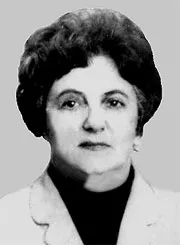
professor, d.m.s.
Professor of the department from 1978 to 2011. Graduated with honors from the Moscow State Medical Institute (1947). Postgraduate student (1947-1950), assistant (1950-1966), associate professor (1966-1978), professor (from 1978 to 2011) at the Department of Pathophysiology, Moscow State Medical Institute.
PhD thesis: “The formation of mediators in the degenerated nerve” (1952).
Doctoral thesis: “Pathological and compensatory reactions of the body in some forms of cerebral circulation disorders” (1971).
Author of 187 publications, including collective monographs in co-authorship: “Dynamics of the relationship of pathological compensatory reactions of the body in some forms of circulatory disorders” (1974), “Central mechanisms of neurohumoral regulation of function in health and disease” (1985); collective textbook in co-authorship: “Pathological Anatomy and Physiology” (1997); collective textbooks in co-authorship: “Pathological physiology of the blood system” (1988), “Selected sections of clinical pathophysiology” (1989); textbook “Pathophysiological aspects of cerebral circulation disorders” (1989), methodological developments: “Reactivity and nonspecific resistance” (1980), “Pathological physiology of the prenatal period” (1981), “Malnutrition” (1984), “Pathophysiology of the endocrine system” ( 1995), methodological developments for practical training in the course of pathological physiology for students (1982 in co-authorship), etc. Co-author of model programs in pathophysiology for medical universities of the Republic of Belarus (1997, 1998). Author and co-author of a number of textbooks with the stamp of the Ministry of Education of the Republic of Belarus (“Pathological Anatomy and Physiology”, 1997; “Pathophysiology of the Blood System”, 2009; 2011; “General Pathophysiology” 2011).
Member of the Board of the Belarusian Republican and Minsk City Scientific Societies of Pathophysiologists (since 1975); Chairman of the Council on Atheism of the Moscow State Medical Institute (1971-1985); head of the research sector of the head group of people's control of the Moscow State Medical Institute (1973-1991); Member of the Councils for Thesis Defense (since 1971); member of the problem commission of MSMI No. 3; expert of the Fund for Fundamental Research at the National Academy of Sciences of the Republic of Bashkortostan (since 1990); head of the research work of the department (1971-1990).
Research interests: the relationship of pathological and compensatory reactions of the body (taking into account all levels of its organization) in case of cerebrovascular accidents; factors that contribute to and prevent the development of compensatory reactions in this pathology, experimental therapy of some forms of cerebral circulation disorders; the problem of increasing the nonspecific resistance of the organism.
She was awarded the “Veteran of Labor” medal, certificates of honor of the administration of the Moscow State Medical Institute and the regional committee of the People's Control, for many years of active scientific, pedagogical and social activities received a number of thanks from the administration of the institute.
Buglov Evgeny Danilovich
d.m.s.
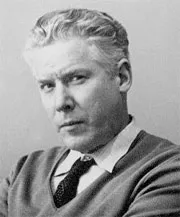
Graduated with honors from the Vitebsk Medical Institute (1951).
Target postgraduate student of the Department of Pathophysiology of the 1st Leningrad Medical Institute named after V.I. I.I. Pavlova (1951-1955). Senior Researcher, Head of the Pathophysiological Department (1955-1974), Director of the Bel Research Institute of Hematology and Blood Transfusion and Chief Hematologist of the Republic (1974-1988), Assistant of the Department of Pathophysiology, Moscow State Medical Institute (since 1989).
PhD thesis: “The functional relationship of the gastrointestinal tract and liver in health and disease” (1955).
Doctoral thesis: “Stabilization of donor blood using a fibrous carbohydrate sorbent - cellulose phosphate” (1971).
Author and co-author of 253 published works, including 2 monographs, has 11 copyright certificates.
Member of the Presidium of the Academic Council of the Ministry of Health of the BSSR, a number of other Academic Councils, the Editorial Council of the journal “Hematology and Transfusiology”, Union and Republican Problem Commissions, the Board of the All-Union and Chairman of the Republican Scientific Societies of Hematologists and Transfusiologists (1974-1988), member of the Council for the Defense of Thesis (since 1971).
Research interests: particular issues of liver pathophysiology, toxemia in radiation sickness, the mechanism of action of blood transfusion and blood substitutes, studying the possibility of using oxidative celluloses in medical practice as sorbents, hemostatic and absorbable materials.
The development of “A new method of blood stabilization” is protected by copyright certificates, patents of the USA, England, France, Germany, Japan, Sweden.
Disabled in World War II. He was awarded the Order of the Patriotic War of the 1st degree, two combat and 10 anniversary medals, two Orders of the Red Banner of Labor, two Honorary Diplomas of the Supreme Soviet of the BSSR, a Diploma of the Ministry of Defense of the USSR, 3 medals of the Exhibition of Economic Achievements of the USSR, a medal of N.I. Pirogov, the prize of D.I. Mendeleev, the Veteran of Labor medal.
Peretyatko Valentina Yulianovna
assistant
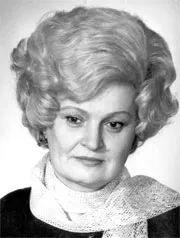
Senior laboratory assistant (1965-1970), assistant (since 1970), Department of Pathophysiology, Moscow State Medical Institute.
Author of 17 publications.
She took an active part in organizing work on the cultivation of tissue cultures in the newly created laboratory of pathophysiology of tumor growth. At the same time in the laboratory of mechanisms of carcinogenesis of the USSR Academy of Medical Sciences V.Yu. Peretyatko mastered the method of autoradiography.
She actively participated in the educational and methodological work of the department, in the creation of educational films (“Modeling of acute and chronic heart failure of the right ventricular type”), in the creation of stands of the department.
Research interests: mechanisms of neoplastic transformation and spontaneous and induced regression of tumor growth.
Batay Evgeny Vladimirovich
Associate Professor, Ph.D.
Graduated from MSMI (1957).
PhD thesis: “Pathogenetic characteristics of the main hemodynamic disorders in violation of the main blood flow in the descending part of the thoracic aorta” (1969).
Chief physician of the polyclinic in Borisov (1957-1960). Postgraduate student (1960-1963), assistant (1963-1970), associate professor (1970-2008), Department of Pathophysiology, Moscow State Medical Institute.
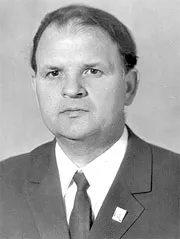
Author of 60 publications, including co-author of 2 monographs.
Research interests: mechanisms of general and regional circulatory disorders, arterial hypertension and hypotension, general issues of pathology.
Blockade participant. Member of the defense of Leningrad (1940-1942). Cadet pilot of the Navy Air Force (1943-1947). Awarded with 2 combat, 6 jubilee medals, as well as medals “For Labor Valor”, “Veteran of Labor”, Medal named after N.I. Pirogov, the badge “Excellence in Public Health of the USSR”.
Over the years at the department worked:
A.A. Ershova-Pavlova - worked at the department before entering MSMI. After graduation (1969), at the request of the department, she was enrolled as a junior researcher in the laboratory for the study of the biology of tumor cells. Since 1979 - assistant of the department, candidate of medical sciences. Sciences (1982), author and co-author of a number of scientific publications, methodological developments and textbooks for students. Since 1989 - Scientific Secretary of the Research Institute of Hereditary and Congenital Diseases of the Ministry of Health of the Republic of Belarus;
I.P. Merkulova - graduate student (1972), assistant (1975-1993), senior teacher (1994) of the department, candidate of medical sciences (1985), author and co-author of scientific publications and educational literature. Since 1994 - Associate Professor of the Department of Biology at the International Institute of Radioecology and Radiobiology named after A.D. Sakharov (now the International Ecological University);
I.V. Grinko - postgraduate student (1981-1984), assistant (1984-1990), associate professor (1990-1995) of the department, candidate of medical sciences. Sciences (1985). She is actively working on her doctoral dissertation. For a year and a half, he worked at the University of Belgium on a grant from the European Association for the Study of the Liver. From 1995 to the present - Scientific Representative of the American Pharmaceutical Company (PFIZER) in Belarus;
N.I. Birich-Zenkevich - post-graduate student (1951-1954), assistant (1954-1983) of the department, candidate of medical sciences (1955). Since 1984 she switched to practical work as a general practitioner; Today, some specialists who have graduated from the Moscow State Medical Institute and have successfully worked at the Department of Pathophysiology are working abroad.
S.A. Risin - completed his postgraduate studies (1966-1969), worked as a junior, then as a senior researcher in the laboratory of the department (1969-1979), then as an assistant (1979-1985) and associate professor of the department (1985-1989) of pathophysiology, candidate of medical sciences (1971); today lives and works in the USA (Houston).
R.Yu. Kochetkov is a former post-graduate student of the department working in Canada (Hamelton).
Akil Hajuz is a graduate of Damascus (Syria) University (medical faculty), graduated from the postgraduate course at the Department of Pathophysiology of the Moscow State Medical Institute (1987-1992), performed on its basis and brilliantly defended his Ph.D. thesis on a topic relevant to his country (see List of topics at the department of theses). After returning to his homeland, he headed the Department of Physiology of the Faculty of Medicine of the University of Latakia, creating there (for the first time in Syria) a course in pathophysiology.
Also worked: Glinskaya T.N., Ph.D., assistant; Zinovkina V.Yu., Candidate of Medical Sciences, Associate Professor; Tsybulko N.P., Ph.D., assistant; Kasap V.A., Candidate of Medical Sciences, Associate Professor; Korotkevich T.V., Ph.D., senior lecturer; Grishchenko K.N., Candidate of Medical Sciences, Associate Professor; Artyushkevich S.A., Ph.D., assistant; Tretyakovich A.A., Ph.D., assistant.
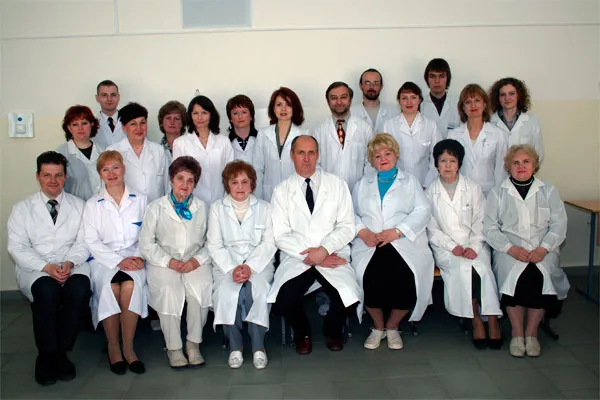
The history of the Department of Pathological Physiology of the Belarusian State Medical University begins with the opening on October 30, 1921 in Minsk of the Belarusian State University with a medical faculty. The Department of Pathological Anatomy and General Pathology was created there giving the students’ knowledge of pathological physiology. In August 1928, the Department of Pathological Anatomy and General Pathology was “divided” into three independent departments: pathological anatomy, forensic medicine and pathophysiology.
The Department of Pathophysiology was headed by Doctor of Medical Sciences, Professor Nikolai Vasilievich Kolpikov (1888-1964), who was actively participating in recruiting of scientific and teaching personnel as well as opening of postgraduate studies. N.V. Kolpikov and his collaborators studied the infectious process in ontogenesis.
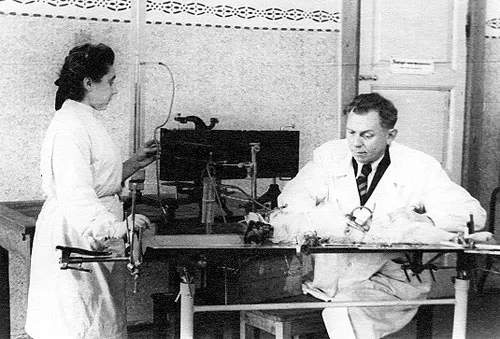
The first serious scientific work carried out at the Department of Pathological Physiology of the MSMI dates back to 1934, when B.I. Vigdorovich, after graduating from graduate school, defended the first in the Republic Ph.D. thesis on pathophysiology on the topic “Oxidative processes in various types of fever”, carried out under the guidance of N.V. Kolpikov.
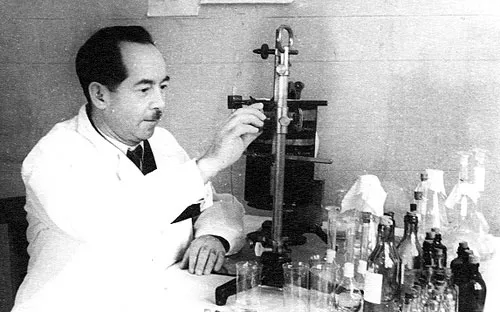
Later, the direction of scientific research was determined by professors F.A. Andreev (1934-1939), F.A. Yakhimovich (1943-1958), A. Yu. Bronovitsky (1958-1975), A.A. Krivchik (1975-1996), F.I. Vismont (since July 1996). They were in charge of this research.
The most significant achievement of the department in the pre-war period is the development and testing of the method of intraarterial blood transfusion, which subsequently received worldwide recognition as an effective method of combating premature death.
In the post-war period, work was continued in the field of blood transfusiology. A method of subcutaneous blood transfusion was being developed (E.A. Shevelko, N.I. Birich-Zenkevich). Blood transfusion after acute blood loss in hypothermia was being studied (AA Krivchik). At the same time, the phenomena of humoral transmission of a nerve impulse, their role, the role of nervous reception in the development of pathological processes were being investigated (F.A.Yakhimovich, G.A.Medvedeva, E.V. Leonova, E.L. Rabinovich, V.S. T. Gorbunov). There was also a research aimed at studying of the thyroid gland dysfunction (B.I.Vigdorovich). For 15 post-war years the department prepared and defended one doctoral thesis (F.A.Yakhimovich, 1945) and 8 candidate theses (E.A. Shevelko, 1950; G.A. Medvedeva, 1950; E.V. Leonova, 1952; N.I.Birich-Zenkevich, 1955; E.L. Rabinovich, 1956; V.S.Makarenko, 1957; P.T.Gorbunov, 1958; A.A. Krivchik, 1958).
Since 1959, the department has given priority to solving the problem of the dual, internally contradictory nature of the disease (the study of the forms and mechanisms of two interrelated opposing tendencies - pathological and compensatory reactions, the patterns of their changing ratio and proportion during the development of the disease).
The solution of the set tasks presupposed the development of methodological techniques, allowing to constantly control the severity of the “break” and reactions of a compensatory-adaptive nature. Techniques of this kind for modeling various forms of systemic and regional circulatory disorders have been created (A.Yu. Bronovitsky, E.V.Batai, A.A.Krivchik, E.V. Leonova). The peculiarities of methodological techniques, a variety of forms of cardiovascular pathology, chosen as the object of research, made it possible not only to discover many phenomena of a particular pathological plan related to the pathogenesis of specific forms of pathology (cerebral ischemia - E.V. Leonova; right ventricular circulation insufficiency and portal hypertension - A.A. Krivchik; violations of blood flow in the thoracic aorta - E.V. Batay; myocardial infarction - T.N. Afanasyeva), but also to identify a number of general pathological patterns.
The influence of two alternative methods of sorption detoxification of the body (hemo- and enterosorption) on the course and outcome of various forms of liver pathology were deeply studied (A.A. Krivchik, I.V. Grinko, V.Yu. Zinovkina, T.N. Glinskaya, N.P. Tsybulko, A.N. Khadzhuz). New data have been obtained that orient clinicians to a more balanced use of hemosorption, taking into account the stage of the process and the corresponding morphological and functional state of subcellular structures, their reserve capabilities.
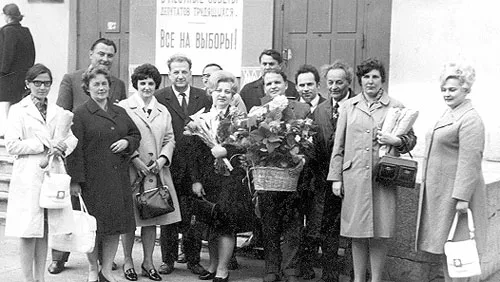
The result of the work of the department in this direction was the publication of monographs “Dynamics of the relationship of pathological and compensatory reactions of the body in some forms of circulatory disorders” (A.Yu. Bronovitsky, E.V. Leonova, A.A. Krivchik, E.V. Batay, 1974), “Portal hypertension” (AA Krivchik, 1979), participation of E.V. Bataya, A.A. Krivchik, E.V. Leonova in the collective monograph 'Central mechanisms of neuro-humoral regulation of functions in health and disease', published by employees of the Research Institute of Physiology of the Academy of Sciences of the BSSR (1985); defense of two doctoral theses (E.V. Leonova, 1971; A.A.Krivchik, 1973) and 9 candidate theses (T.N. Afanasyeva, 1968; E.V. Batay, 1969; V.N. Gapanovich, 1983; I V. Grinko, 1985; L.V. Rachok, 1985; V.Yu. Zinovkina, 1988; T.N. Glinskaya, 1992; A.N. Khadzhuz, 1992; N.P. Tsybulko, 1999). The work on the doctoral thesis of I.V. Grinko was finished. For union-republican conferences were held. The first of them - the republican conference on the problem of compensatory adaptations - was held in December 1961 on the initiative and with the direct participation of Belarusian pathophysiologists in Minsk. The conference was held at a high level and attracted active public interest.
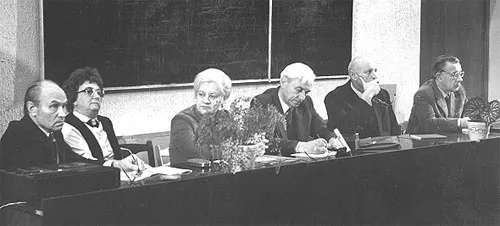
A significant place in the scientific research of the department is occupied by oncological topics (A.Yu.Bronovitsky, A.A. Krivchik, G.A. Berlov, I.G.Dadkov, V.V.Davidovich, A.A. Ershova-Pavlova, L. S. Lemeshonok, I.P. Merkulova, V.Yu. Peretyatko, N.N. Penkratova, S.A. Risin, R.Yu. Kochetkov), which was started in 1967 by A.Yu. Bronovitsky.
New data have been obtained regarding general antigenic features of embryonic and tumor cells. The antitumor effect of syngeneic and xenogenic anti-embryonic antibodies and the degree of its dependence on the stage of development of the embryos used for their isolation have been established. Two Ph.D. theses were prepared and defended (S.A. Risin, 1971; I.P. Dadkov, 1974).
After A.Yu. Bronovitsky passed away and this area of his scientific interests was not forgotten. Evidence of this: 5 successfully defended candidate theses (L.S. Lemeshonok, 1980; A.A. Ershova-Pavlova, 1982; I.P. Merkulova, 1986; N.N. Penkratova, 1993; R.Yu. Kochetkov, 1999), a scientific conference dedicated to the memory of A.Yu. Bronovitsky (1984), publication of the collection of scientific papers “Pathophysiological and biochemical aspects of tumor growth” (1985), monograph “Pathophysiological aspects of tumor growth” (A.A. Krivchik, 1987), “Atlas of pathophysiology of tumor growth” (A.A. , V.Yu. Peretyatko, I.P. Merkulova, 1997), a large number of other publications on this topic.
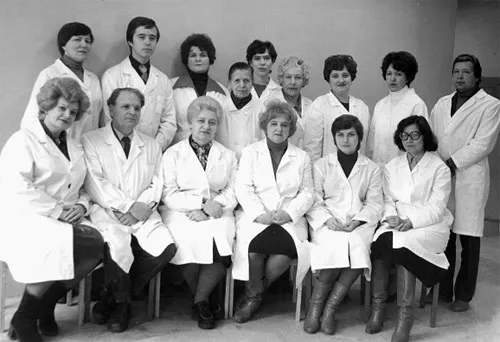
The creative activity of the staff of the department in different periods of its existence can be evaluated to a certain extent by the number of publications and defended theses, published works of a monographic nature.
A significant part of the results of scientific research of the department serves as the basis for a number of textbooks, educational and scientific films, informative, illustrated albums and atlases, which are actively used in the educational process on the most complex and important topics (in various sections of cardiovascular pathology, tumor growth, general nosology, cell damage, on topical issues of tropical pathology, etc.) and thereby facilitates the understanding of the most complex and most common forms of human pathology by students.
The contribution of scientific research carried out at the department to the development of clinical medicine is also important. The results obtained by the employees substantiate the legitimacy and expediency of wider use in clinical practice of a number of pathogenetically justified methods of influencing the body (enterosorption in diffuse liver lesions of various etiologies, adaptogens in cardiovascular pathology, etc.).
Defense of theses for the degree of Doctor of Medical Sciences:
- Yakhimovich F.A. Nervous excitement as a process of propagation of mediators along the surface of phases neuroplasm – neurofibrils division. - Minsk, - 1945.
- Leonova E.V. Pathological and compensatory reactions of the body in some forms of cerebrovascular accident (experimental study). - Minsk, - 1971.
- Krivchik A.A. Dynamics of the relationship between pathological and compensatory reactions of the body in some forms of portal hypertension (experimental study). - Minsk, - 1973.
Awards
1. In 2005, for a major contribution to the development of fundamental problems of pathophysiology, the head of the Department of Pathological Physiology of the Belarusian State Medical University, Professor F.I. Vismont was awarded by the Russian Academy of Medical Sciences medal named after A.D.Speransky.
2. In 2007, for merits in scientific and pedagogical activities, the head of the department, professor Vismont F.I. was awarded the F. Skaryna medal.
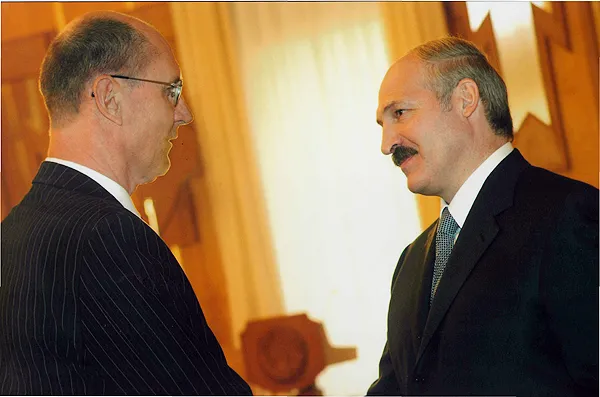
3. In 2001, Professor F.I. Vismont was awarded the medal “Excellence in Healthcare of the Republic of Belarus”.
4. In connection with the 80th anniversary of the creation of the NASB, Professor F.I. Vismont was awarded the Medal of the National Academy of Sciences.