Republican Scientific and Practical Conference with International Participation, dedicated to the International Day of General Practitioners
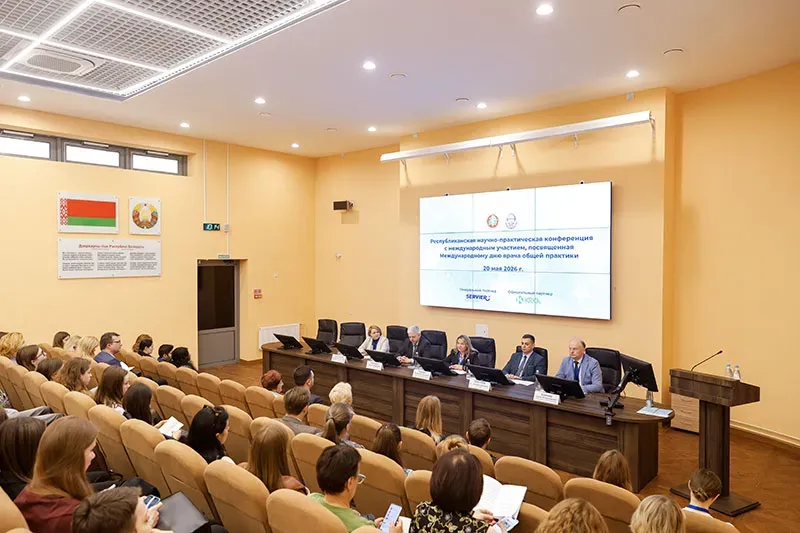
On May 20, Republican Scientific and Practical Conference with international participation, dedicated to International General Practitioner Day, was held at Belarusian State Medical University. This large-scale event, organized with the support of the Ministry of Health of the Republic of Belarus and the Department of General Medical Practice with a course in geriatrics and palliative medicine, brought together hundreds of leading specialists. The professional dialogue unfolded in a hybrid format, bringing together primary healthcare experts, specialized scientists, medical interns, and students from Belarus, Russia, Kazakhstan, and China.
The conference presidium was represented by key figures in the field of general medical practice and medical education:
Yuri Sokolov – Vice-Rector for Academic Affairs of BSMU, PhD, Associate Professor;
Mikhail Revtovich – Vice-Rector for Research of BSMU, Doctor of Medical Sciences, Associate Professor;
Irina Pateyuk – Chief General Practitioner of the Ministry of Health of the Republic of Belarus, Head of the Department of General Medical Practice with a Course in Geriatrics and Palliative Medicine of BSMU, Candidate of Medical Sciences;
Sergey Korenev – Director of the Higher School of Medicine of Immanuel Kant Baltic Federal University, Doctor of Medical Sciences, Professor (Kaliningrad, Russian Federation);
Albina Sineglazova – Head of the Department of Outpatient Therapy and General Medical Practice, Kazan State Medical University, Doctor of Medical Sciences, Professor (Kazan, Russian Federation).
The main goal of the forum was to improve outpatient care for the population by enhancing the professional competencies of medical personnel. Today, general practitioners face global challenges that require integrating the most current scientific data into daily clinical practice. The meeting participants discussed in detail the early diagnosis, treatment, and prevention of a wide range of chronic noncommunicable diseases, which traditionally make the main challenges to the healthcare system. The meeting program covered key aspects of managing patients with arterial hypertension, diabetes, obesity, severe respiratory diseases, and oncological diseases. At the same time, the emphasis was placed on the proven effective practices for identifying and timely correcting risk factors.
Of particular scientific and practical interest there were the specialized sections, where specialists comprehensively examined interdisciplinary approaches in medicine. The organizers paid special attention to the issues of mental healthcare in outpatient settings and protocols for managing infectious patients, which are crucial for the work of the first-line specialists. The discussions also focused on the concept of a long and active life for the population, which is directly dependent on accessible, strong, and technically equipped primary healthcare. The experts agreed that it is the multidisciplinary collaboration of physicians from various specialties that enables the development of effective algorithms for helping patients with comorbidities.
The international status of the conference confirmed the importance of open academic and practical exchange. Representatives of foreign medical schools generously shared their national experience in reforming primary care and the results of the latest clinical studies. Such joint sessions not only broaden the horizons of practicing physicians, but also lay a solid foundation for future cross-border research projects. The forum's intensive work resulted in specialists acquiring new, unique knowledge that will directly contribute to maintaining public health, improving the quality of medical care, and fostering a conscious attitude toward a healthy lifestyle among citizens.
Republican scientific and practical conference with international participation "Current issues of military medicine"
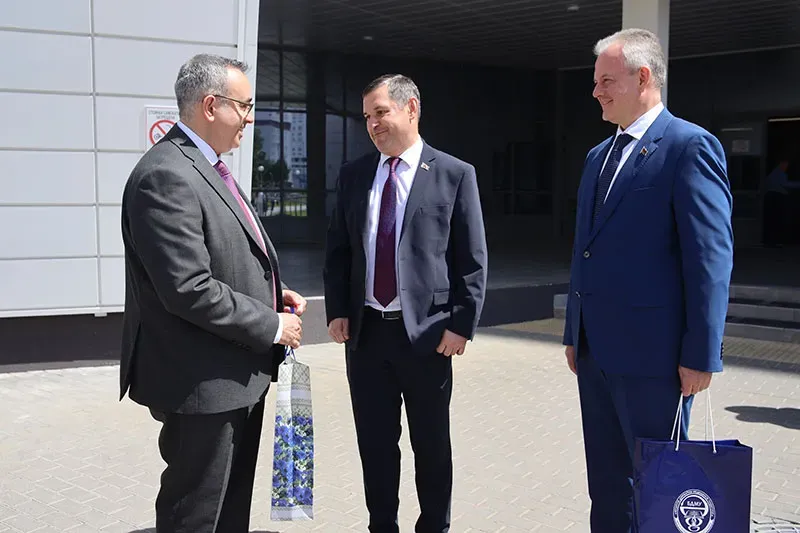
High level of cooperation: BSMU received an honorary delegation from Azerbaijan
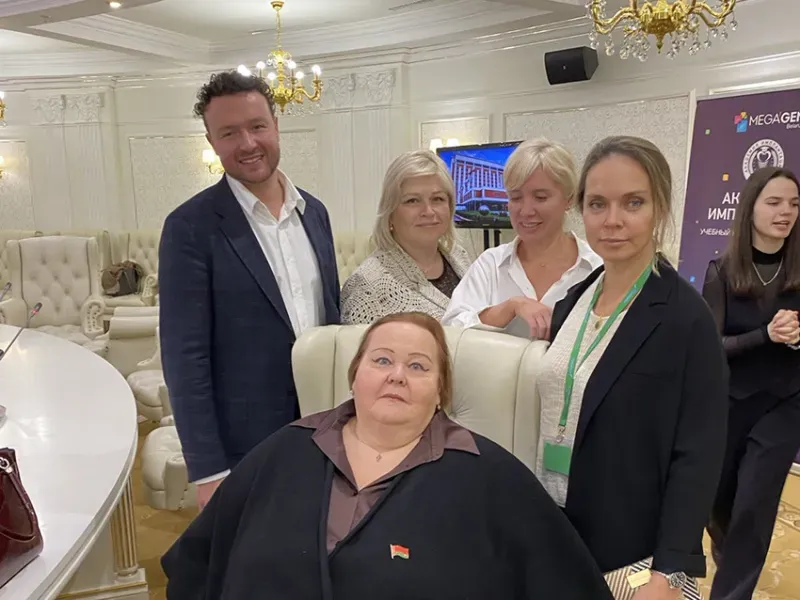
Xth National Congress with International Participation "Parinsky Readings 2026"
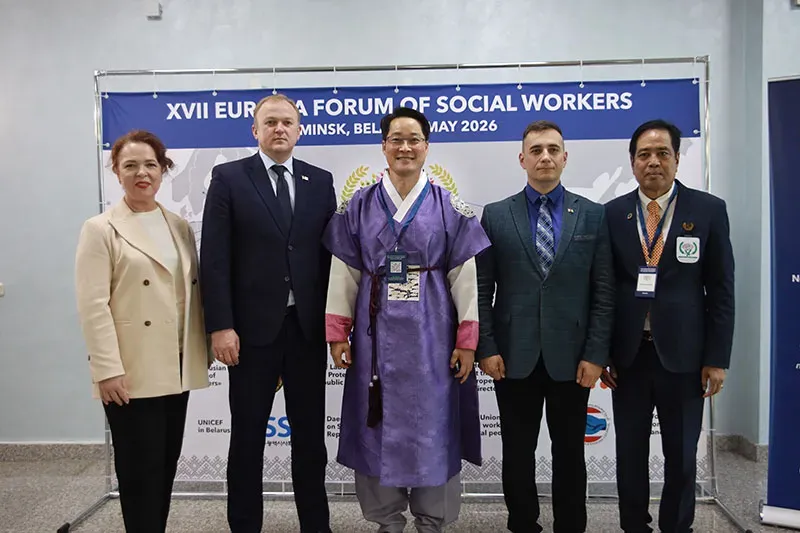
BSMU signed the International Memorandum at the XVII Eurasian Forum of Social Workers