
The Department of Radiation Medicine and Ecology was established on September 1, 1990. According to the decision of the rector's office and the academic Council of the Institute, there were two goals for the creation of the department. First, the need for students of all faculties to develop knowledge about the effects of ionizing radiation on the human body, especially in small doses; to understand the relationship between the effects of radiation and the development of human pathology; to know a set of preventive measures to reduce the doses of external and internal radiation and, thereby, to prevent radiation-dependent diseases. Secondly, in the context of the increasing impact on the human body of a huge number of environmental factors (chemical, physical, biotic), there is an urgent need to reveal the variety of pathogenetic mechanisms of the development of environmentally dependent diseases, as well as to pay attention to their prevention at the present stage of society development.
In those years, the small staff of the department perfectly understood the full responsibility of the tasks they faced, especially since neither radiation nor environmental medicine, as such subjects, did not exist at all. Nevertheless, over the years of the department's existence, its staff has formulated the main provisions of two subjects, determined their place in the system of medical education, especially among related subjects.
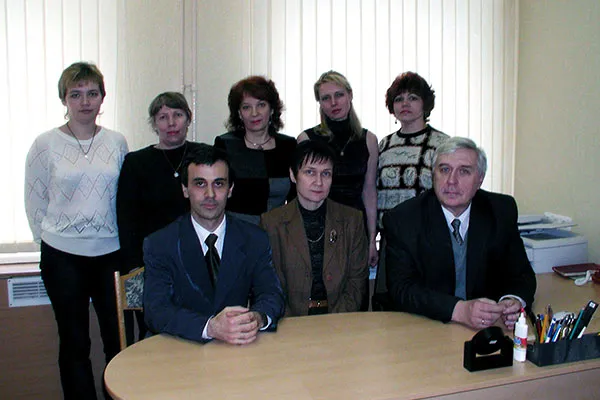
Taking into account the accumulated experience of teaching disciplines, the staff of the department published textbooks “Medical Ecology” and “Radiation Medicine”, as well as a laboratory workshop with the stamp of the Ministry of Education of the Republic of Belarus. Together with specialists from the Faculty of Medicine of Fukushima (Japan), an international textbook in English “Radiation Medicine” was published, which is used by English-speaking students of BSMU. According to the textbooks of the department, students of all four universities of the republic are engaged, and the Department of Radiation Medicine and Ecology of BSMU is the leading one in its field in the system of medical education.
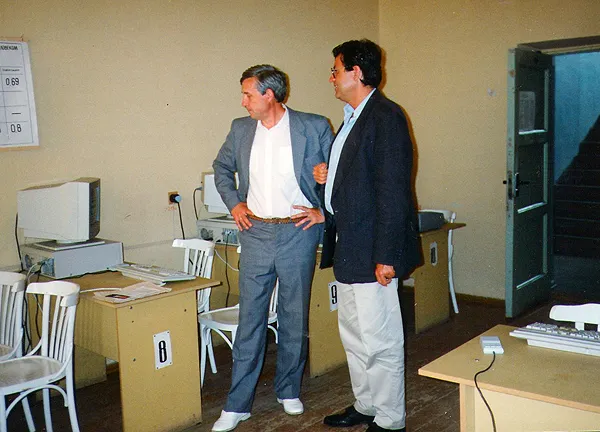
The scientific interests of the department have always been connected with the problems of the Chernobyl disaster. In different years, the staff carried out research on the morbidity and functional state of the thyroid system of children exposed in utero, who continue to live in areas contaminated with radionuclides, evaluated the health status of employees of the Polessky State Radiation and Environmental Reserve, studied the structural and functional features of the plasma albumin of children exposed in utero, etc.
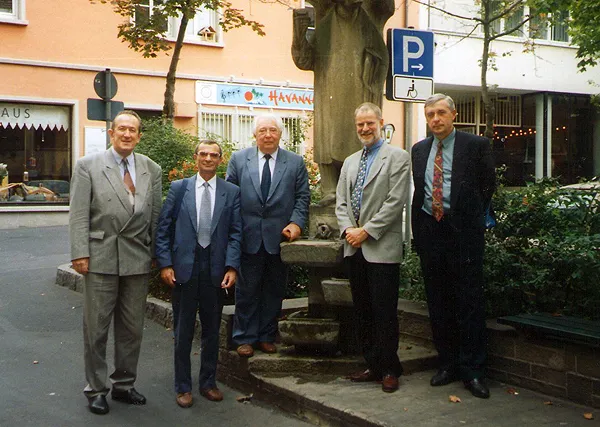
Since 2000, the department has been intensively developing a new form - distance learning for students of all courses and faculties.
The department has created and actively operates two specialized websites: the WEB branch of the department webradecomed.ru and a website dedicated to radiation safety training – radbez.ru.
On the mentioned sites, various forms of distance learning are presented – a system of practicing practical classes, retaking colloquiums, passing a differentiated test, etc.
The staff of the department is actively engaged in social work. Professor A. N. Stozharov is the Chairman of the Expert Council of the Ministry of Health of Belarus, the Chairman of the National Commission on Radiation Protection under the Council of Ministers of the Republic of Belarus, the representative of the Government of the Republic of Belarus in the UN Scientific Committee on the Effects of Atomic Radiation (Vienna, Austria).