
Currently, according to the topics of the Department of Psychiatry and Medical Psychology, BSMU, «Biological and psychosocial characteristics of mental and behavioral disorders in the age aspect (diagnosis, clinical picture, correction)» and «Preclinical and clinical characteristics of mental and behavioral disorders in ontogenesis (biopsychosocial aspect, diagnosis , correction)», are being carried out three doctoral and three candidate dissertations.
Currently, the department employs 2 professors, doctors of medical sciences, 8 associate professors, candidates of medical sciences, 5 assistants, including 1 candidate of medical sciences. The staff of the department prepares 3 doctoral and 4 master's theses.
The main research areas:
Eating disorders (anorexia, bulimia, binge eating disorder, obesity)
Lack of research on the problem of deviant eating behavior in the Republic of Belarus, uncertainty about the prevalence of preclinical forms of eating disorders, unresolved problems of clinical and psychopathological interpretation of conditions, the need to study the role of genetic factors in the phenotypic realization of painful manifestations of eating disorders, the importance of general biological mechanisms of somatic development dysfunction studies in order to determine reliable markers of the severity of the condition and develop a strategy to overcome it determined the need for research in this direction.

The influence of socially determined desynchronosis on the psychosocial functioning of doctors
According to WHO data, the Republic of Belarus occupies one of the leading places in the world in terms of the number of doctors: 49 per 10,000 population, ahead of Great Britain, Germany, Italy, USA, France, and Japan. Currently, more than 46,900 doctors work in the republic. At the same time, the level of satisfaction of the population with the provided medical services is low. According to the WHO, the lifespan of doctors around the world is 15-20 years less than the average lifespan.
Untreated psychosis in patients with a first psychotic episode of the schizophrenic spectrum
The modern neurobiological model of the development of schizophrenia considers this disease as pathology of cognitive functioning, and it is neurocognitive disorders that are the nuclear structure of the disease. The high frequency and severity of the observed cognitive impairments gave grounds for identifying them as the «third key group of symptoms» of schizophrenia, along with negative and positive disorders.
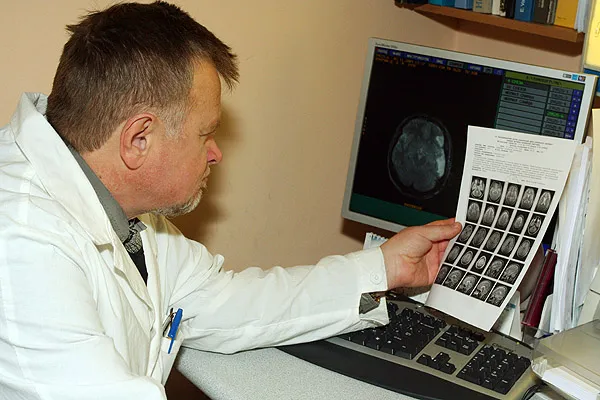
Development of an individualized model of medical care for patients with schizophrenia, taking into account the associated clinical, pharmacogenetic, neuropsychological, psychophysiological and biochemical correlations, focused on the effective assimilation of the therapeutic potential
Schizophrenia is a common mental illness that begins at a young age, often resulting in disability and severe economic consequences. Schizophrenia has the largest share among other nosological forms in the structure of hospitalized morbidity in patients with mental and behavioral disorders: more than 50% of all beds intended for mentally ill patients. Treatment of schizophrenic patients in inpatient conditions is implemented in the Republic of Belarus by using drug therapy. At the same time, the country has found material resources to equip psychiatric hospitals with most of the known drugs used to treat schizophrenia in the world. In recent years, the time between the appearance of new drugs and their registration in the Republic of Belarus has been significantly reduced. In fact, no other types of treatment are carried out in Belarus.
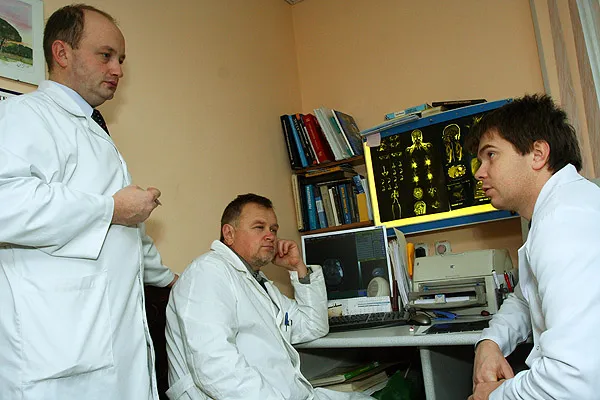
Development and implementation of a psychoeducational program for patients and their relatives in the treatment of schizophrenia
Schizophrenia significantly disrupts patients quality of life. It is associated with positive and negative symptoms of the disease, frequent hospitalizations, disability, previous social status, as well as the loss of a number of skills necessary for successful functioning in society. The psychological consequences of the disease: a decrease in self-esteem and self-confidence, depression, anxiety associated with uncertainty about the causes of one's condition and prognosis, fear of stigmatization.

Assessment of the genetic and environmental factors interaction in the development of cognitive and emotional deficits in patients with schizophrenia
In recent years, schizophrenia has remained the most uncertain and, at the same time, the most frequently diagnosed mental illness, regardless of the population and the diagnostic systems used. The prevalence of schizophrenia in the world is estimated at 0.8-1%, and the incidence is 15 per 100,000 population, the disease usually affects young people. According to the WHO, schizophrenia is one of the ten leading causes of disability, it is called «the worst disease that affects humans.»
Psychological, genetic and medico-social aspects of chemical and non-chemical forms of addictive behavior
Alcohol addiction is one of the main current threats to human health and safety, not only in the post-Soviet union countries, but also in most Western countries. The urgency of the problem prompted the Council of Ministers of the Republic of Belarus by its resolution of April 27, 2006 No. 556 to approve the State Program of National Actions to Prevent and Overcome Alcoholism for 2006-2010. One of the priority directions of this program is the development of effective alcoholism preventive measures. In recent years, the interest of researchers in the social (including interpersonal) context of the problem of alcoholism has sharply increased.