The teaching of the subject «Physical culture» is carried out in the following forms:
Training sessions:
- Practical training.
- Theoretical classes (lectures, methodological classes).
- Additional classes (individual and group).
Extracurricular activities:
- Independent use of physical culture means and body-hardening procedures by students.
- Physical exercises in the working day of students.
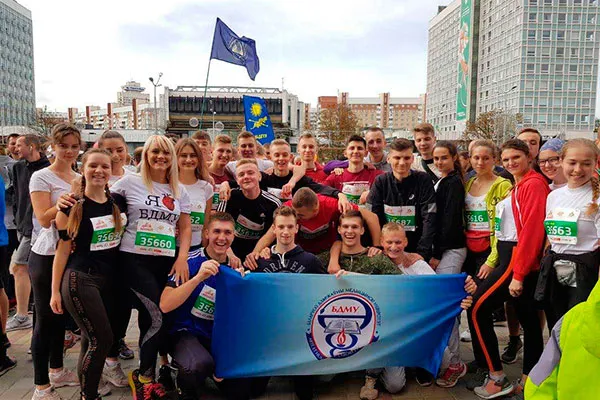
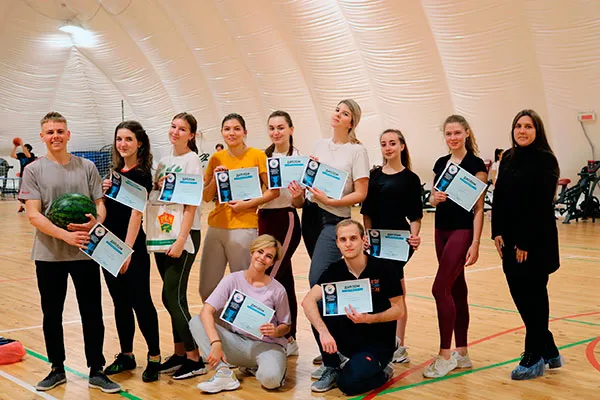
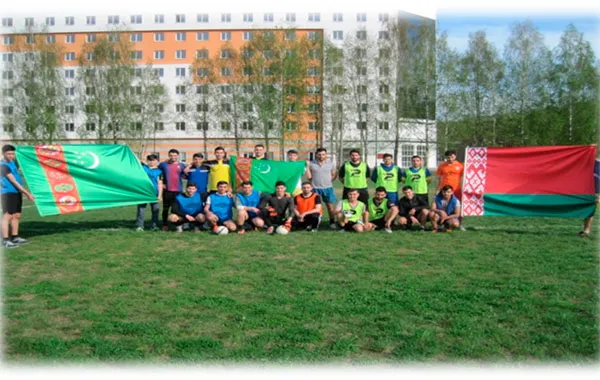
- Sports and fitness events, sports contests, sports festivals, competitions, walking-tours, etc.
The use of these forms of physical culture should ensure that students perform the amount of motor activity-8-10 hours per week.
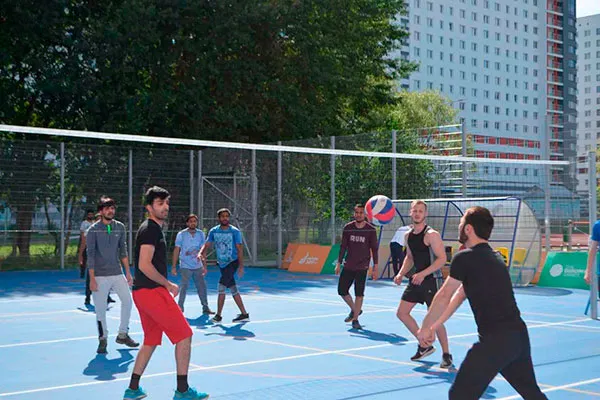
Content of the discipline «Physical Culture»
- Theoretical section
The theoretical section of the program is of a professional and applied nature and is aimed at mastering professional knowledge and using it to improve the physical condition of the body. It is studied at all years of training. The theoretical section is implemented in the form of methodological classes, explanations of educational material during practical classes, independent study of special literature by students (homework, writing essays, reports), as well as in training sessions in other disciplines within the framework of the inter-departmental plan for teaching valeology (health and preventive basis of medicine).
- Methodological section
Methodical classes consist of sections: assessment of physical condition and physical performance, development of basic motor abilities, methods of control (pedagogical and physiological) over the level of physical health of students during physical exercises, instructor practice (on the basics of methods of conducting independent classes), preparation of complexes of general development exercises of hygienic and corrective gymnastics.
- Practical section
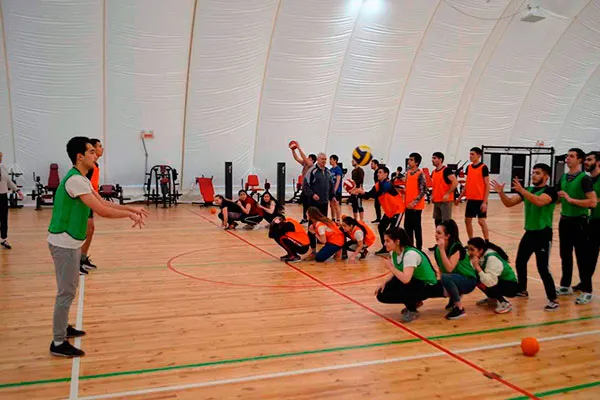
The practical section of the program contains educational material aimed at:
- health improvement of students;
- improving the physical performance of the body;
- development and improvement of motor abilities;
- mastering sports and professional-applied skills;
- the ability to use the means of physical culture for the development of motor abilities;
- mastering the methods of self-massage and hardening;
- mastering the methods of conducting complexes of general developmental exercises, hygienic and corrective gymnastics;
- the ability to apply the methods of monitoring the physical ability of the body during physical exercises;
- knowledge of the organization and judging sports and fitness events.
Professional and applied physical training
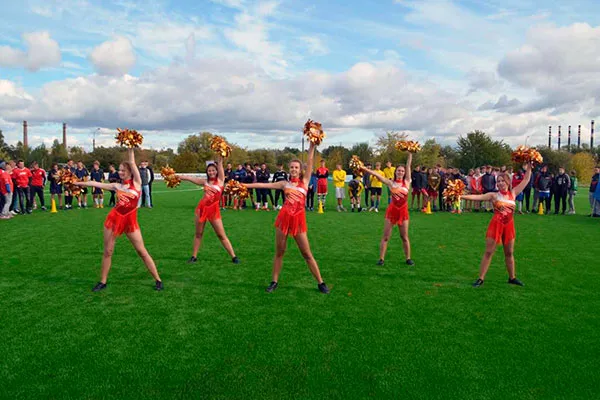
Professional and applied physical training (PAPT) is implemented in educational and methodological classes, in classes and competitions in sports. PAPT is aimed at:
- development and improvement of physical departments necessary for a medical specialist in future professional activity;
- general endurance training (running, skiing, cycling, playing games, swimming);
- static endurance training (working with dumbbells, barbells, pressing a tennis ball with a hand, bending and extension of arms in a lock.
Multiple exercises with muscle tension, working with an expander and on simulators;
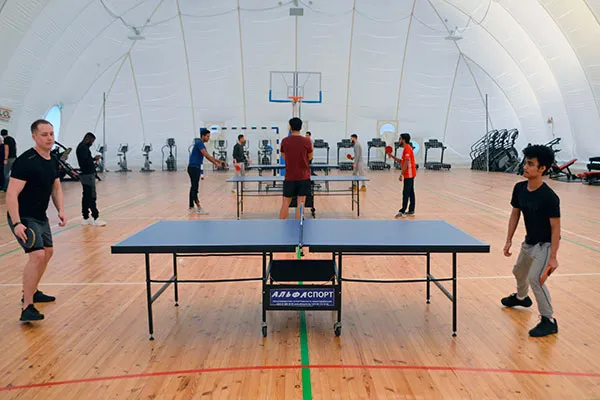
the accuracy of the motor and visual analyzers (throwing the ball for accuracy of hitting, juggling tennis balls, clubs, objects). Exercises for coordination on the spot and in motion, dribble, passing the ball in motion. Two-sided game of volleyball, basketball, badminton, table tennis, football, breathing exercises. Relaxation.
Development of vital skills and abilities
The student should know:
- methods of training physical qualities (strength, endurance, speed, flexibility);
- rules for load construction and rationing in independent classes;
- features of the impact of cyclic and acyclic exercises on the human body;
- physiological mechanisms of fatigue and recovery;
- rules and methods of composing complexes of hygienic gymnastics and general developmental exercises;
- the focus of professional and applied physical training of a doctor (surgeon, therapist, dentist, employees of sedentary professions, etc.).
The student must be able to:
- use the means of physical culture in the development of strength of individual muscle groups, flexibility, agility, and endurance training;
- dose the load during recreational and independent physical exercises;
- assess the volume and intensity of physical activity for people of different ages and health conditions;
- determine the modes of motor activity to strengthen the cardiovascular, muscular and respiratory systems;
- use medical and pedagogical tests to determine the working capacity of the body;
- make sets of exercises for the prevention of the musculoskeletal system diseases (osteochondrosis, posture).
The student must have the following skills:
- the main elements of the technique of athletics, sports games, gymnastics and complexes of standards for general physical training, including professional and applied physical training or one of the sports, methods of conducting independent physical exercises.